
A travel bucket book for young adults with cancer
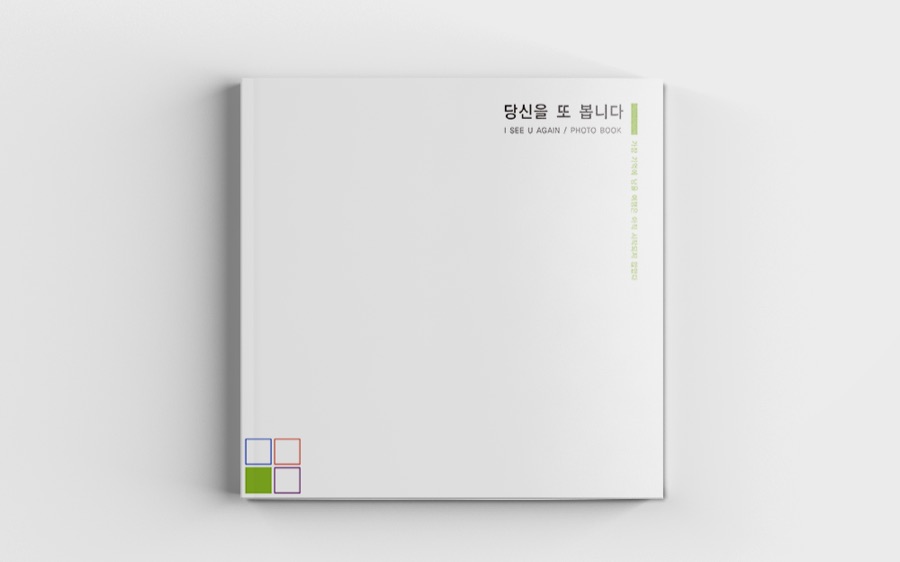
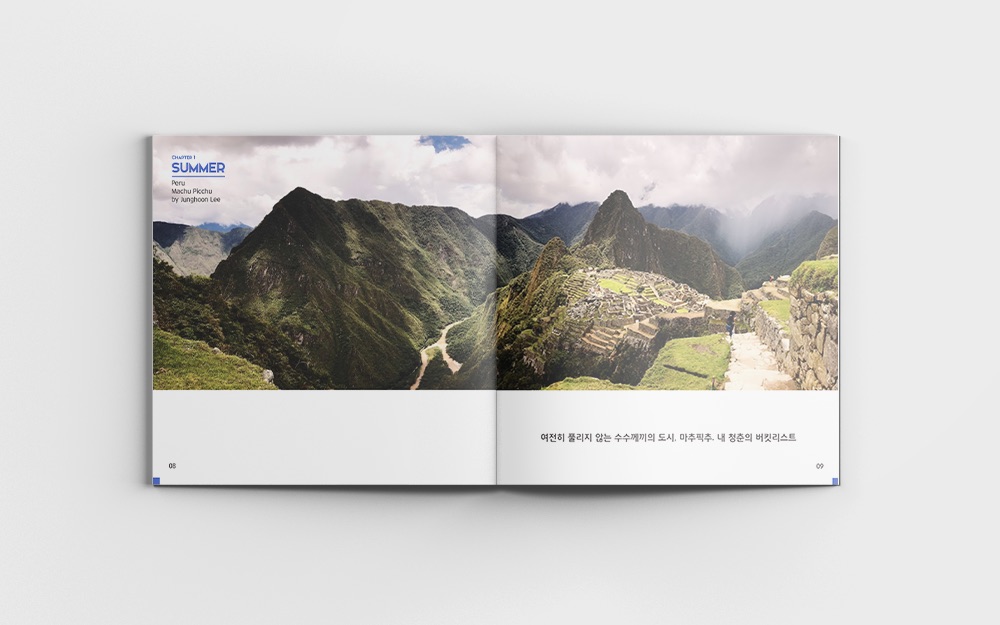
Eighty days on the road, alone, after beating terminal cancer. Those photographs became a book, and the book went to people who are in a hospital bed right now. It was TTOBOM’s first project.
I thought it was gastritis
It was 2015. Our founder, Lee Jung-hoon, was thirty-five. His stomach hurt now and then, but medicine from the local clinic seemed to handle it. When the pain got worse he moved up a scheduled check-up, the endoscopy came back wrong, and a tertiary hospital delivered the verdict: Burkitt lymphoma, late stage. A PET-CT scan showed cancer already in almost every organ — even his spine, which meant chemotherapy injected directly into it.
Eight months earlier a full check-up had found nothing. Two months earlier he had finished a marathon. Three days into chemotherapy he had lost more than 10kg.
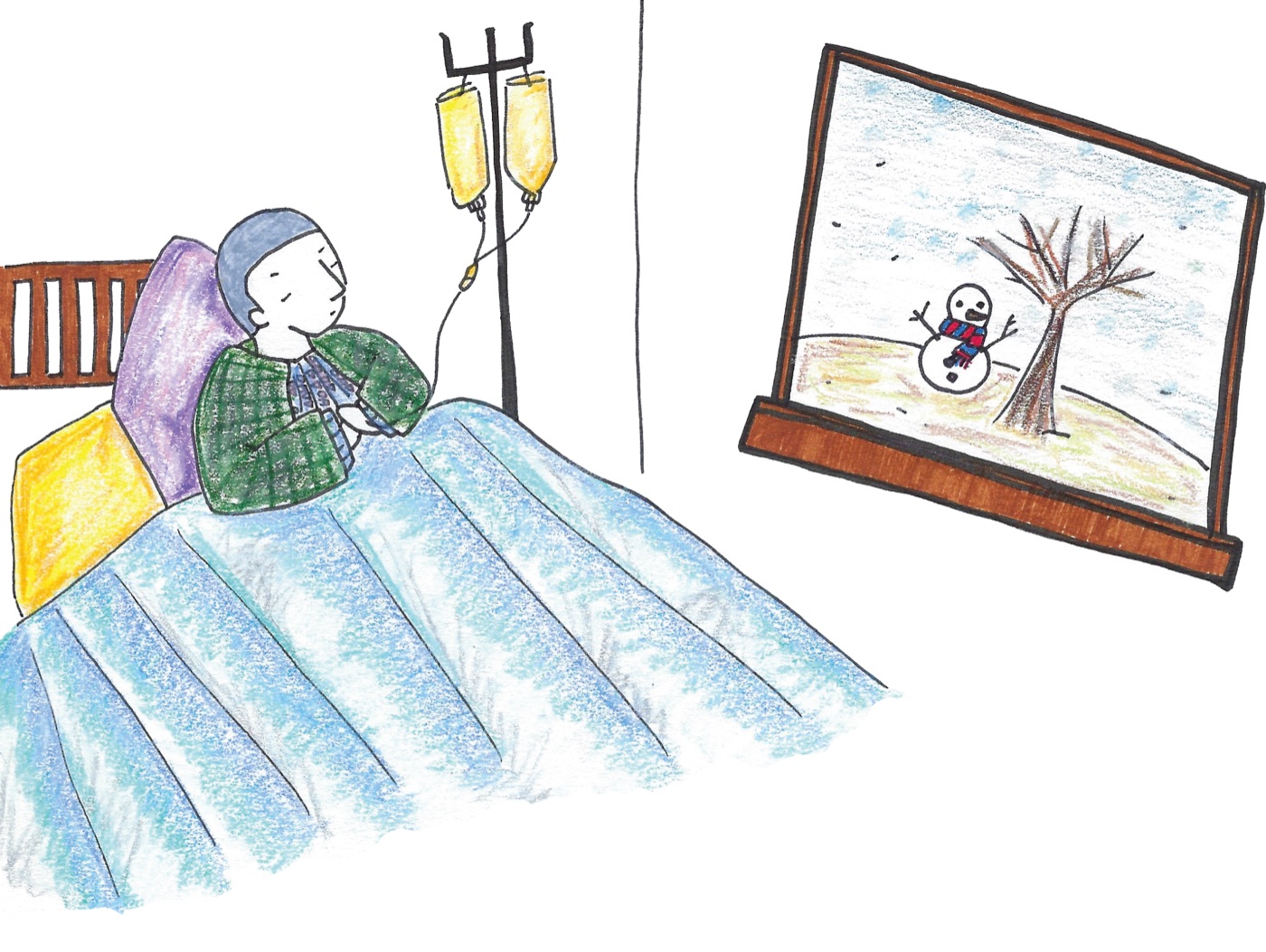
If I had travelled more. If I had spent that time with her.
The list he began writing in the ward
He wrote down what he still wanted to do, and held on to it. Through the second round of chemotherapy the cancer began to recede, and in November 2015, after five months, treatment ended.
With his doctor’s permission he went to the countryside, then to Jeju. Calling it a ‘trip’ instead of a walk somehow made him walk further. That was when time stopped pointing at death and started pointing at living.
As far as some people knew, I was already dead
“Keep this up and you’ll get cancer.” — tossed off to anyone under stress
“No wonder you got cancer.” — said to someone who already has it
Said lightly, but it stays with the person who hears it. One friend was asked by an older patient in the same room how someone so young could have taken such poor care of himself. You can drink nothing and smoke nothing and still get cancer.
Losing weight from chemo works better than any diet, doesn’t it.
Said to one member by an acquaintance
It was probably meant kindly, as encouragement to get better soon. But it is hard to laugh off when you are the patient.
Spend your twenties or thirties in treatment and your circle quietly shrinks, sometimes until no one but family is left. Even after remission, working at the old intensity is not simple, and many hide their history because they fear it will cost them a job.
And almost nobody knows the numbers
Cancer is thought of as an older person’s illness, so young patients rarely get counted out loud. Here is the count.
The 2001 and 2010 figures are the Ministry of Health and Welfare numbers cited by this project in 2018; 2023 is the most recent registry release.
Roughly double in twenty years. Yet national cancer screening is recommended from age 40. Younger people are rarely urged to get screened, so their cancers are found late — and at that age most people wait out a bad stomach rather than see a doctor.
So we made a book
Chemotherapy makes long reading hard, so the book is built from photographs, short lines of text, and blank pages where you write your own list of places. One sentence is enough: “When this is over, I’m going there.”
Buy one, and one goes to a hospital.
Under agreements with Seoul National University Bundang Hospital, Yonsei Severance Hospital
and Seoul St. Mary’s Hospital, a copy was given free to a young adult with cancer
for every copy bought.
Messages left by backers were collected and printed inside the book. The copy you bought went to a ward, and your sentence went with it.
Result
- 205%of goal
- 200backers
- KRW 6,149,000raised
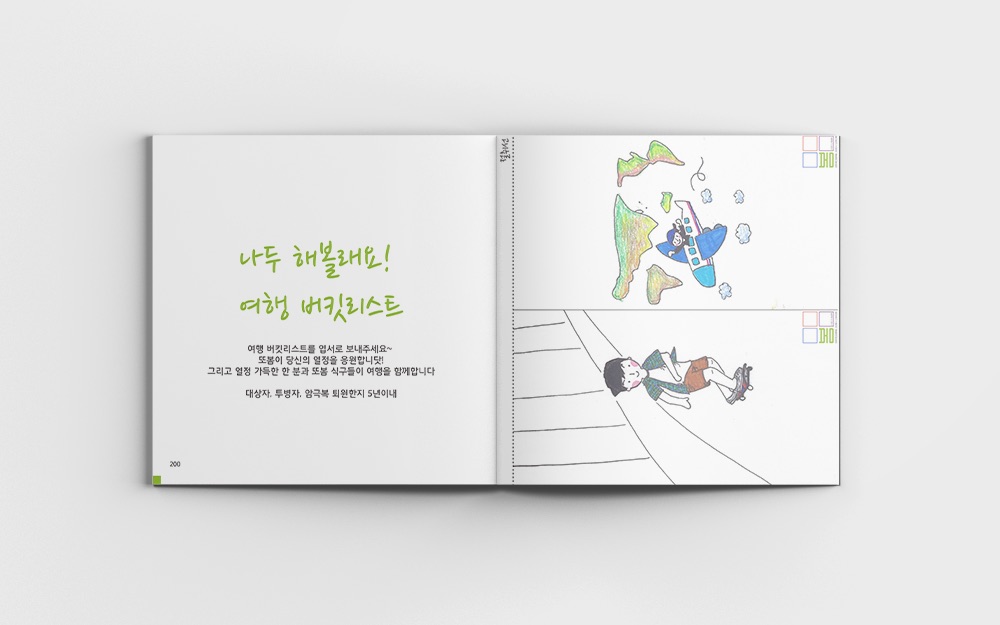
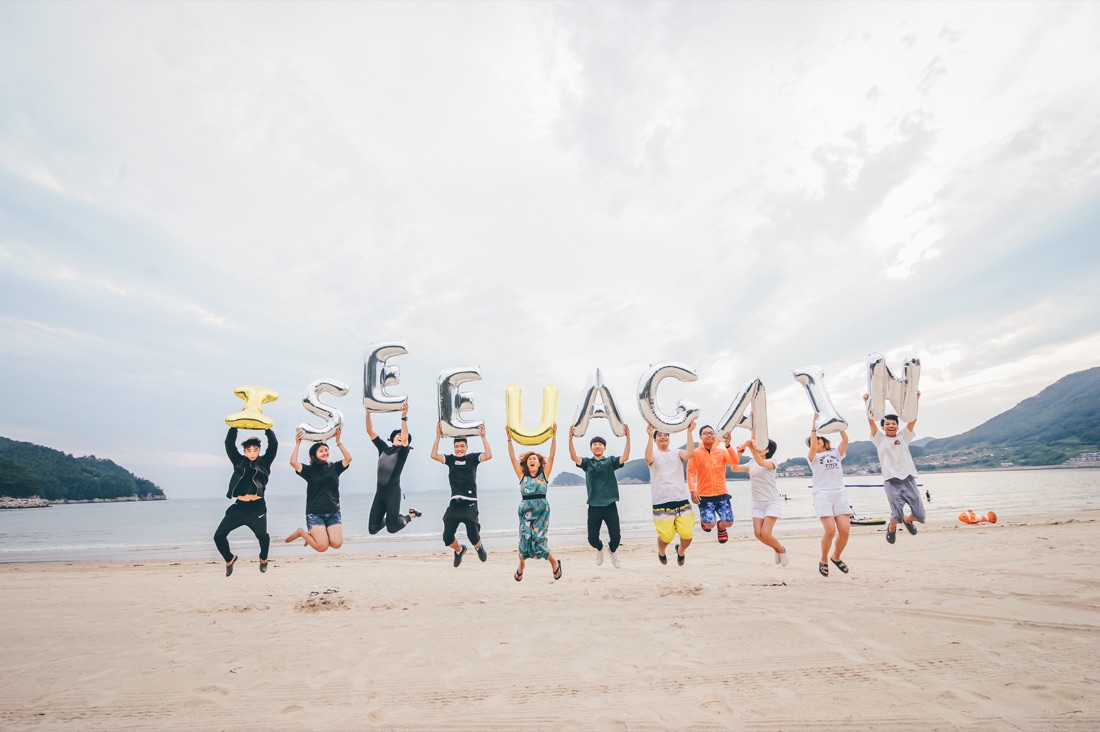
One hundred copies went to each of the three hospitals. Then we picked people from the bucket lists mailed back to us and actually went: Chiang Mai, Donghae, a ski slope, Namhae. That is how the travel project began.
I hope this book can be someone’s last leaf.
Lee Jung-hoon · Chairperson, Korea Youth Cancer Association TTOBOM
Adapted from parts 0–2 of ‘A travel bucket book for young adults with cancer’, serialised on Daum Storyfunding in 2018. The service has since closed; the Korean original is kept on the TTOBOM Naver Cafe. Korean version of this page KO